

Gretchen Gorecki

GRETCHEN GORECKI

Faculty Advisor

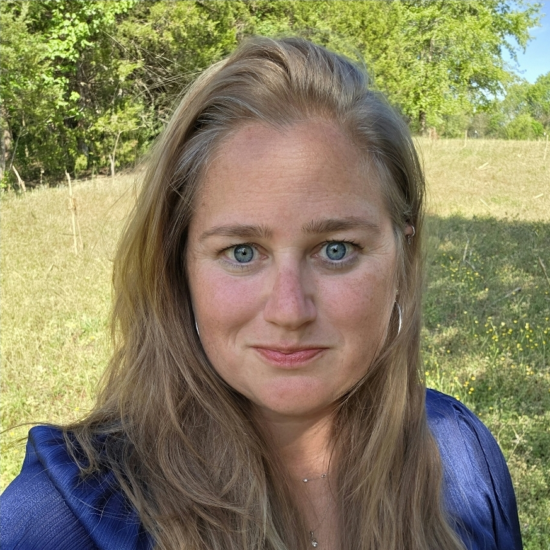
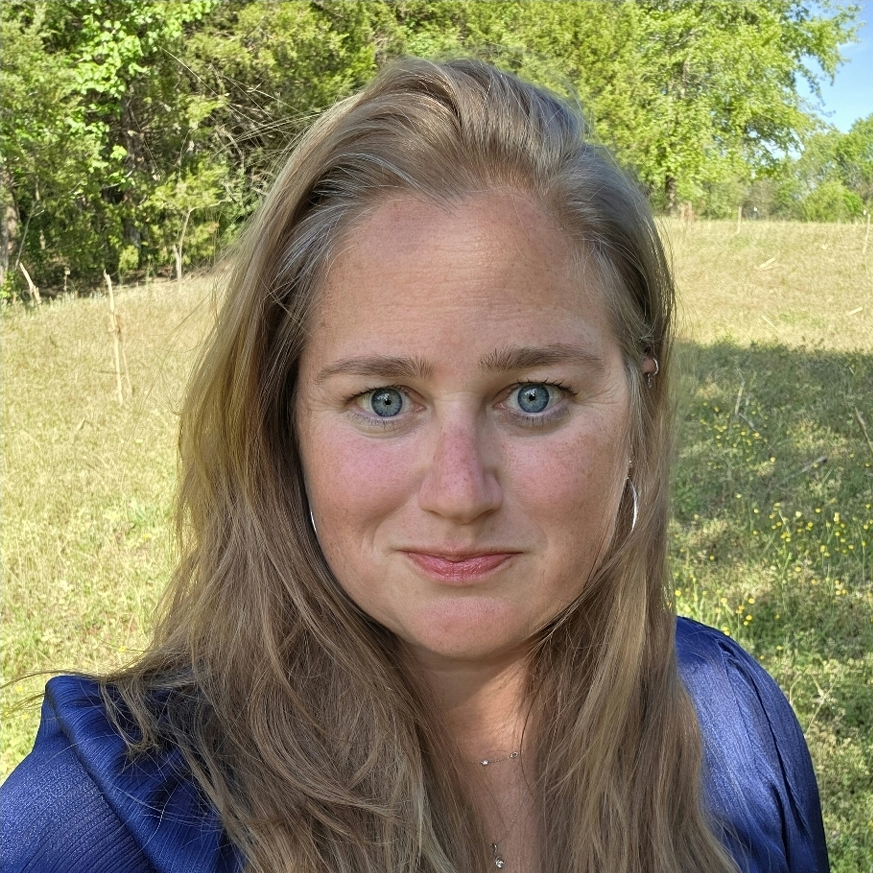
Gretchen is the Natural Resource Manager at the Virginia Department of Conservation and Recreation’s Division of State Parks. She implements resource management activities including invasive species management, native species habitat restoration, prescribed burning, sustainable trail work, policy development, and regulatory compliance. Gretchen was previously an environmental consultant where she focused on natural resource program management, strategic partnerships, encroachment strategies, and geospatial analyses. She completed her M.S. in Biodiversity, Wildlife, and Ecosystem Health from the University of Edinburgh. She obtained her B.S. in Environmental Science and Geography and received a GISc Certificate from the University of Mary Washington. She is a certified GIS Professional and is a member of the UMW Eagle Pipe Band. She enjoys hiking, backpacking, stand up paddle boarding, rock climbing, and spending time at her backyard farm.
GRETCHEN GORECKI

Faculty Advisor

Gretchen is the Natural Resource Manager at the Virginia Department of Conservation and Recreation’s Division of State Parks. She implements resource management activities including invasive species management, native species habitat restoration, prescribed burning, sustainable trail work, policy development, and regulatory compliance. Gretchen was previously an environmental consultant where she focused on natural resource program management, strategic partnerships, encroachment strategies, and geospatial analyses. She completed her M.S. in Biodiversity, Wildlife, and Ecosystem Health from the University of Edinburgh. She obtained her B.S. in Environmental Science and Geography and received a GISc Certificate from the University of Mary Washington. She is a certified GIS Professional and is a member of the UMW Eagle Pipe Band. She enjoys hiking, backpacking, stand up paddle boarding, rock climbing, and spending time at her backyard farm.

Doni Nolan

DONI NOLAN

Greenhouse Coordinator, George Mason University

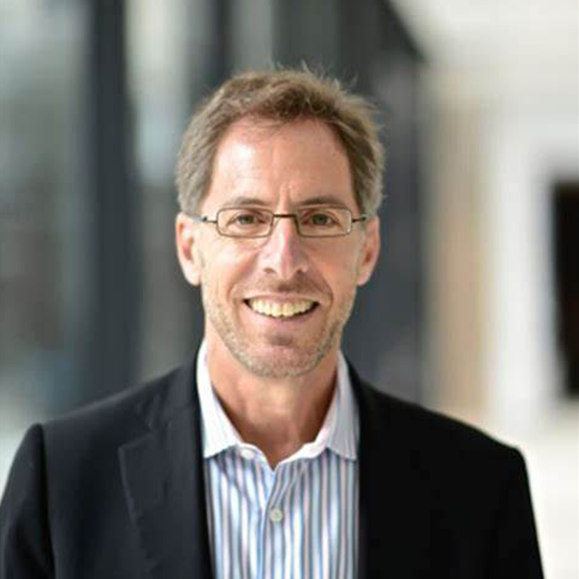
Doni Nolan has been at Mason since 2010 when she started as an undergraduate student studying biology and volunteering as the president of the GMU Organic Gardening Association (GOGA). She joined University Sustainability in 2013 as the summer intern for the Potomac Heights Organic Vegetable Garden (PHVG) and later as the assistant coordinator for the Permaculture Design Certification Course (PDCC). After working all summer in the garden, she knew that growing food was her passion. In 2014, she was hired part time to start the hydroponic greenhouse program at the President’s Park Greenhouse. The facility is still going strong today, hosting hundreds of volunteers every semester, and growing lettuce, microgreens, and culinary herbs year round, which are served in the dining halls and sold to customers on campus. She became full time staff in 2016 when she combined the greenhouse and gardens into a single program. Doni received her Master’s of Science in plant science and pest management in 2018 and began teaching sustainability courses as adjunct faculty for the School of Integrative Studies. She is now pursuing her PhD in Biosciences with the College of Science, studying beneficial microbes that treat Pythium root rot disease in hydroponic systems. Her passion and joy are contagious as she engages and educates the community about sustainable food production, composting, herbal medicine and so much more.
DONI NOLAN

Greenhouse Coordinator, George Mason University

Doni Nolan has been at Mason since 2010 when she started as an undergraduate student studying biology and volunteering as the president of the GMU Organic Gardening Association (GOGA). She joined University Sustainability in 2013 as the summer intern for the Potomac Heights Organic Vegetable Garden (PHVG) and later as the assistant coordinator for the Permaculture Design Certification Course (PDCC). After working all summer in the garden, she knew that growing food was her passion. In 2014, she was hired part time to start the hydroponic greenhouse program at the President’s Park Greenhouse. The facility is still going strong today, hosting hundreds of volunteers every semester, and growing lettuce, microgreens, and culinary herbs year round, which are served in the dining halls and sold to customers on campus. She became full time staff in 2016 when she combined the greenhouse and gardens into a single program. Doni received her Master’s of Science in plant science and pest management in 2018 and began teaching sustainability courses as adjunct faculty for the School of Integrative Studies. She is now pursuing her PhD in Biosciences with the College of Science, studying beneficial microbes that treat Pythium root rot disease in hydroponic systems. Her passion and joy are contagious as she engages and educates the community about sustainable food production, composting, herbal medicine and so much more.

Meghan A.T.B. Reese

MEGHAN A.T.B. REESE

Photographer, Washington Scholars Program

Meghan is a producer, writer, and photographer. Reese’s credits include producing and writing for National Geographic, National Geographic WILD, Discovery Channel, Travel Channel, History Channel, Smithsonian Channel, Science Channel, Oxygen, A&E, Animal Planet, Amazon Prime, HGTV, Investigation Discovery, Discovery Family, PBS, Sony, Capital TV Pakistan, Facebook and Meta, Microsoft, Amazon, the White House, the U.S. Department of State, and NASA. Reese also runs Ography — her own photography and multimedia shop — capturing events for the National Park Service, the White House, and many other businesses, families, and events. Reese holds a journalism degree from American University.

MEGHAN A.T.B. REESE

Photographer, Washington Scholars Program

Meghan is a producer, writer, and photographer. Reese’s credits include producing and writing for National Geographic, National Geographic WILD, Discovery Channel, Travel Channel, History Channel, Smithsonian Channel, Science Channel, Oxygen, A&E, Animal Planet, Amazon Prime, HGTV, Investigation Discovery, Discovery Family, PBS, Sony, Capital TV Pakistan, Facebook and Meta, Microsoft, Amazon, the White House, the U.S. Department of State, and NASA. Reese also runs Ography — her own photography and multimedia shop — capturing events for the National Park Service, the White House, and many other businesses, families, and events. Reese holds a journalism degree from American University.

Dr. Edward Maibach

DR. EDWARD MAIBACH

Director, Center for Climate Change Communication & Professor of Communications, George Mason University

In 2006, while walking with Director of the Potsdam Institute for Climate Impact
Research, Professor Hans Joachim Schellnhuber, Ed realized that climate change is
the ultimate threat to public health and well-being. He responded by focusing his
work on climate change prevention and adaptation. Ed came to GMU in 2007 to
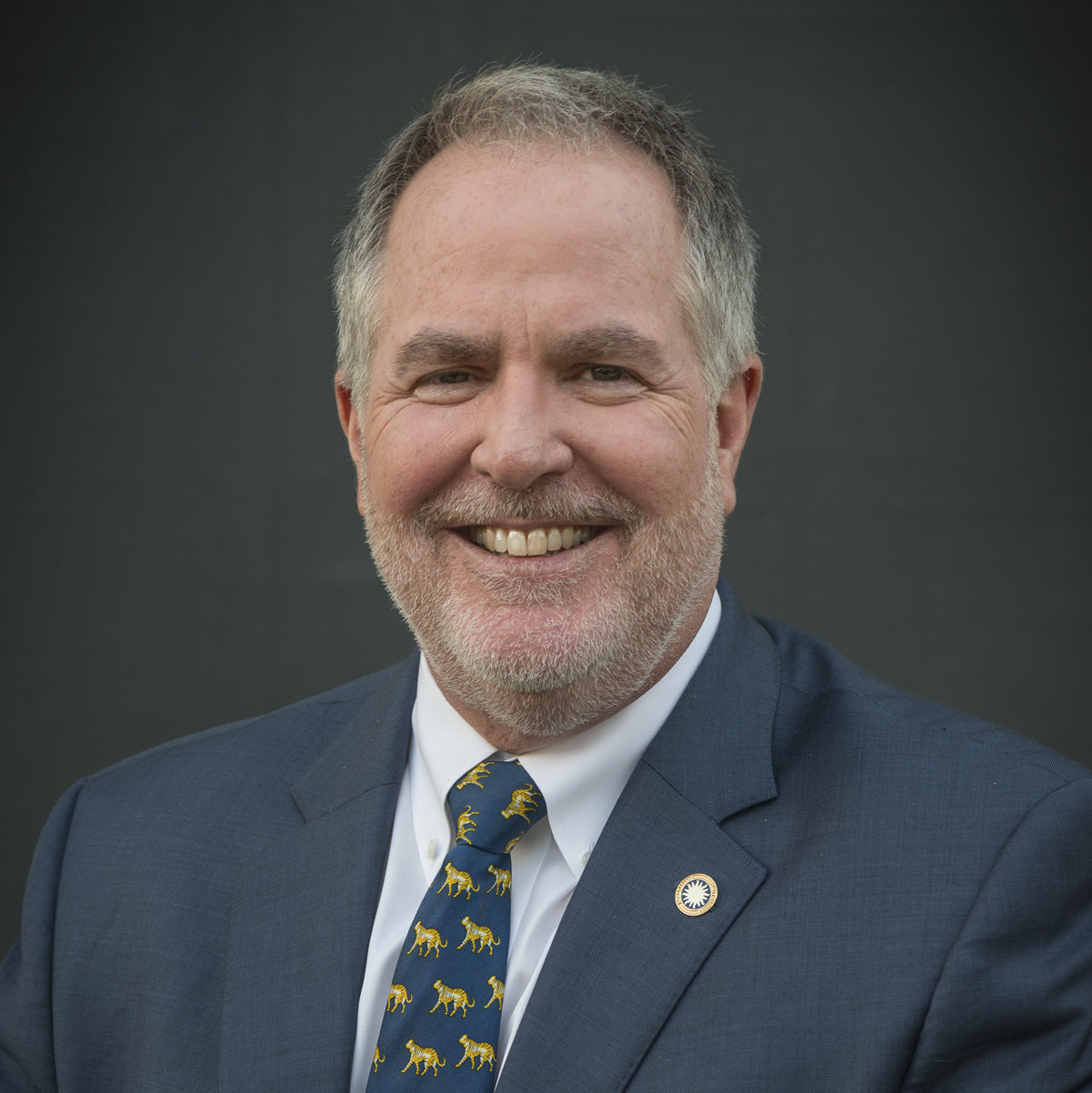
create the Center for Climate Change Communication. He is a highly experienced public health and social change professional and a leading academic in the field of communication.
His work over the past 25 years has helped define the fields of public health communication and social marketing, and his book, Designing Health Messages:
Approaches from Communication Theory and Public Health Practice, is widely used by academics and practitioners. Ed previously served as an associate director of the National Cancer Institute, as worldwide director of social marketing for Porter Novelli, as chairman of the board for Kidsave International, and as faculty at Emory and George Washington universities. His research focuses on the question: How can we use communication and marketing to influence the behavior of populations for the benefit of society? Ed holds a B.A. in Social Psychology from University of California, San Diego, an M.P.H. in Health Promotion from San Diego State University, and a Ph.D. in Communication Research from Stanford University.

DR. EDWARD MAIBACH

Director, Center for Climate Change Communication & Professor of Communications, George Mason University

In 2006, while walking with Director of the Potsdam Institute for Climate Impact Research, Professor Hans Joachim Schellnhuber, Ed realized that climate change is the ultimate threat to public health and well-being. He responded by focusing his work on climate change prevention and adaptation. Ed came to GMU in 2007 to create the Center for Climate Change Communication. He is a highly experienced public health and social change professional and a leading academic in the field of communication.

His work over the past 25 years has helped define the fields of public health communication and social marketing, and his book, Designing Health Messages:
Approaches from Communication Theory and Public Health Practice, is widely used by academics and practitioners. Ed previously served as an associate director of the National Cancer Institute, as worldwide director of social marketing for Porter Novelli, as chairman of the board for Kidsave International, and as faculty at Emory and George Washington universities. His research focuses on the question: How can we use communication and marketing to influence the behavior of populations for the benefit of society? Ed holds a B.A. in Social Psychology from University of California, San Diego, an M.P.H. in Health Promotion from San Diego State University, and a Ph.D. in Communication Research from Stanford University.

Dr. Steven Monfort, DVM, Ph.D

Dr. Steven Monfort, DVM, Ph.D

Executive Director, University of California Natural Reserve System

Steve has conducted research for over 20 years at the Zoological Society of San Diego,
the University of California, Davis, and the Smithsonian National Zoological Park and
Conservation Biology Institute (SCBI). He initiates and conducts projects in the
broad discipline of reproductive physiology and endocrinology, and at SCBI he
provided clinical veterinary care for animals.
Dr. Monfort co-coordinates one of the world’s largest and most productive wildlife endocrinology laboratories, with basic and applied research aimed at helping to conserve rare species. He also has experience in using semen collection, cryopreservation, artificial insemination and in vitro fertilization to augment ex situ breeding. He is particularly interested in cervids and bovids, and major reproductive research efforts have focused on the Eld’s deer and scimitar-horned oryx.

Dr. Monfort is co-founder of an in situ conservation program aimed at conserving Eld’s deer in Burma, and he heads the Sahelo-Saharan Interest Group with a mission of conserving aridlands antelope and their North African habitats.

Dr. Steven Monfort, DVM, Ph.D

Executive Director, University of California Natural Reserve System

Steve has conducted research for over 20 years at the Zoological Society of San Diego, the University of California, Davis, and the Smithsonian National Zoological Park and Conservation Biology Institute (SCBI). He initiates and conducts projects in the broad discipline of reproductive physiology and endocrinology, and at SCBI he provided clinical veterinary care for animals. Dr. Monfort co-coordinates one of the world’s largest and most productive wildlife endocrinology laboratories, with basic and applied research aimed at helping to conserve rare species. He also has experience in using semen collection, cryopreservation, artificial insemination and in vitro fertilization to augment ex situ breeding. He is particularly interested in cervids and bovids, and major reproductive research efforts have focused on the Eld’s deer and scimitar-horned oryx. Dr. Monfort is co-founder of an in situ conservation program aimed at conserving Eld’s deer in Burma, and he heads the Sahelo-Saharan Interest Group with a mission of conserving aridlands antelope and their North African habitats.
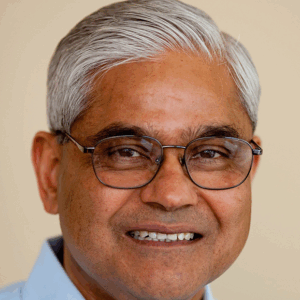
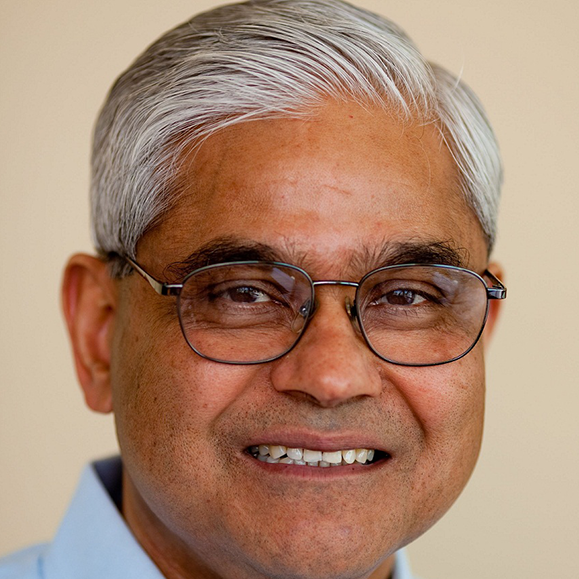
Dr. Jagadish Shukla

Dr. Jagadish Shukla

President, Institute of Global Environment and Society

Dr. Shukla is the Director of the Climate Dynamics Program at GMU. Shukla was born in 1944 in village Mirdha in the Ballia district of Uttar Pradesh, India. This village had no electricity, no roads or transportation, and no primary school. Most of his primary education was received under a large banyan tree until his father established a primary school in the village. His father, the late Shri Chandra Shekhar Shukla who was headmaster of a middle school in a nearby village (Sukhpura), bought science textbooks for classes sixth to tenth and insisted that he study them during the summer holidays before admission to the next grade.
After passing the twelfth grade from the S. C. College, Ballia, he went to Banaras Hindu University (B.H.U.) where, in 1962, he passed the B.Sc. (honors) with Physics, Mathematics, and Geology, and in 1964 received the M.Sc. in Geophysics. He received a Doctor of Philosophy (Ph.D.) in Geophysics from BHU (1971) and a Doctor of Science (Sc.D.) in Meteorology from the Massachusetts Institute of Technology (MIT) in 1976. In 2008, he was appointed by the Governor of Virginia as a member of the Commission on Climate Change. He was one of the Lead Authors of the 2007 report of the Intergovernmental Panel on Climate Change (IPCC), which shared the Noble Peace Prize with Vice President Gore. In 2007, he received the International Meteorological Organization (IMO) Prize, considered to be the highest prize in meteorology in the world.

He is a Fellow of the American Geophysical Union, the American Meteorology Society, India Meteorology Society, and an Associate Fellow of TWAS (the academy of sciences for the developing world). He has been the Ph. D. thesis adviser for about 20 students at MIT, Univ. of Maryland, and George Mason University. Professor Shukla has exerted a tremendous influence on the field through his publication of over 200 scientific papers, reports, and book chapters, his direction of 20 Ph.D. students’ dissertation research, and his leadership of several national and international advisory and planning panels.

Dr. Jagadish Shukla

President, Institute of Global Environment and Society

Dr. Shukla is the Director of the Climate Dynamics Program at GMU. Shukla was born in 1944 in village Mirdha in the Ballia district of Uttar Pradesh, India. This village had no electricity, no roads or transportation, and no primary school. Most of his primary education was received under a large banyan tree until his father established a primary school in the village. His father, the late Shri Chandra Shekhar Shukla who was headmaster of a middle school in a nearby village (Sukhpura), bought science textbooks for classes sixth to tenth and insisted that he study them during the summer holidays before admission to the next grade.

After passing the twelfth grade from the S. C. College, Ballia, he went to Banaras Hindu University (B.H.U.) where, in 1962, he passed the B.Sc. (honors) with Physics, Mathematics, and Geology, and in 1964 received the M.Sc. in Geophysics. He received a Doctor of Philosophy (Ph.D.) in Geophysics from BHU (1971) and a Doctor of Science (Sc.D.) in Meteorology from the Massachusetts Institute of Technology (MIT) in 1976. In 2008, he was appointed by the Governor of Virginia as a member of the Commission on Climate Change. He was one of the Lead Authors of the 2007 report of the Intergovernmental Panel on Climate Change (IPCC), which shared the Noble Peace Prize with Vice President Gore. In 2007, he received the International Meteorological Organization (IMO) Prize, considered to be the highest prize in meteorology in the world.

He is a Fellow of the American Geophysical Union, the American Meteorology Society, India Meteorology Society, and an Associate Fellow of TWAS (the academy of sciences for the developing world). He has been the Ph. D. thesis adviser for about 20 students at MIT, Univ. of Maryland, and George Mason University. Professor Shukla has exerted a tremendous influence on the field through his publication of over 200 scientific papers, reports, and book chapters, his direction of 20 Ph.D. students’ dissertation research, and his leadership of several national and international advisory and planning panels.

Davey Rogner

DAVEY ROGNER

Founder, The Harvest Collective

Davey was the Campaign Director and co-founder of Pick Up America – the nation’s
first coast-to-coast contiguous roadside litter pick up. Since beginning their journey
in March of 2010, Pick Up America cleaned more than 136,000 pounds of litter from
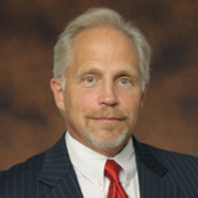
1,500 miles of road spanning from Assateague Island, MD to Topeka, KS. The youth-led
initiative aimed to inspire a transition towards zero-waste in America through education,
art, and community outreach. Davey grew up in the Washington, D.C. suburbs
of Silver Spring and College Park, MD. He is a graduate of the University of
Maryland, where he received his Bachelor’s degree in Environmental Science
and Policy in 2009.

While a student at the University of Maryland, Davey was active in student government and helped spearhead the founding of two of the campus’s most prominent environmental groups: UMD for Clean Energy and the Student Sustainability Committee. Davey has received awards from the City of College Park, the Maryland State Highway Association, and the Maryland General Assembly for his efforts encouraging environmental conservation in the State of Maryland.

DAVEY ROGNER

Founder, The Harvest Collective

Davey was the Campaign Director and co-founder of Pick Up America – the nation’s first coast-to-coast contiguous roadside litter pick up. Since beginning their journey in March of 2010, Pick Up America cleaned more than 136,000 pounds of litter from
1,500 miles of road spanning from Assateague Island, MD to Topeka, KS. The youth-led initiative aimed to inspire a transition towards zero-waste in America through education, art, and community outreach. Davey grew up in the Washington, D.C. suburbs
of Silver Spring and College Park, MD. He is a graduate of the University of Maryland, where he received his Bachelor’s degree in Environmental Science and Policy in 2009.

While a student at the University of Maryland, Davey was active in student government and helped spearhead the founding of two of the campus’s most prominent environmental groups: UMD for Clean Energy and the Student Sustainability Committee. Davey has received awards from the City of College Park, the Maryland State Highway Association, and the Maryland General Assembly for his efforts encouraging environmental conservation in the State of Maryland.

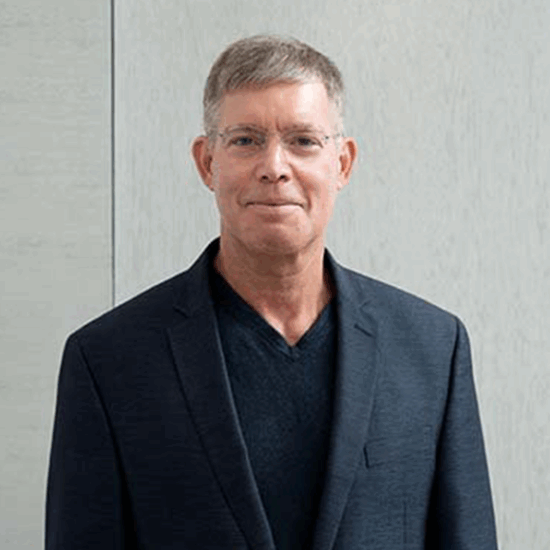
James Fiore

JAMES FIORE

President, Fiore Consulting

During his career of more than 33 years in the US Department of Energy (DOE), Jim held numerous senior management positions, including four Deputy Assistant Secretary positions. He directed highly sensitive environmental cleanup programs for the DOE with annual budgets exceeding $2 billion. He was responsible for two of the most successful cleanups in DOE — those associated with the Fernald site in Ohio and the Rocky Flats site in Colorado. He is a two-time recipient of the Presidential Meritorious Rank award. Since his retirement from DOE in 2009, Jim has been involved in every major environmental cleanup procurement. He has also performed strategic reviews for the US DOE, the UK Nuclear Decommissioning Authority, and the Army Corps of Engineers. Jim also serves on the Board of Directors of the WM Symposia.

JAMES FIORE

President, Fiore Consulting

During his career of more than 33 years in the US Department of Energy (DOE), Jim held numerous senior management positions, including four Deputy Assistant Secretary positions. He directed highly sensitive environmental cleanup programs for the DOE with annual budgets exceeding $2 billion. He was responsible for two of the most successful cleanups in DOE — those associated with the Fernald site in Ohio and the Rocky Flats site in Colorado. He is a two-time recipient of the Presidential Meritorious Rank award. Since his retirement from DOE in 2009, Jim has been involved in every major environmental cleanup procurement. He has also performed strategic reviews for the US DOE, the UK Nuclear Decommissioning Authority, and the Army Corps of Engineers. Jim also serves on the Board of Directors of the WM Symposia.

Mark Bauman

MARK BAUMAN

Strategic and Impact Communications Consultant

Mark Bauman has been recognized with numerous broadcast, web and print journalism honors, including an Emmy, more than a dozen Cine Golden Eagles, and various film festival awards. Before taking the helm at Virtual Wonders, he oversaw the Smithsonian Institution’s commercial media units, including Smithsonian and Air & Space Magazines, Smithsonian Books, Smithsonian.com, and the Smithsonian Channel partnership with Showtime.
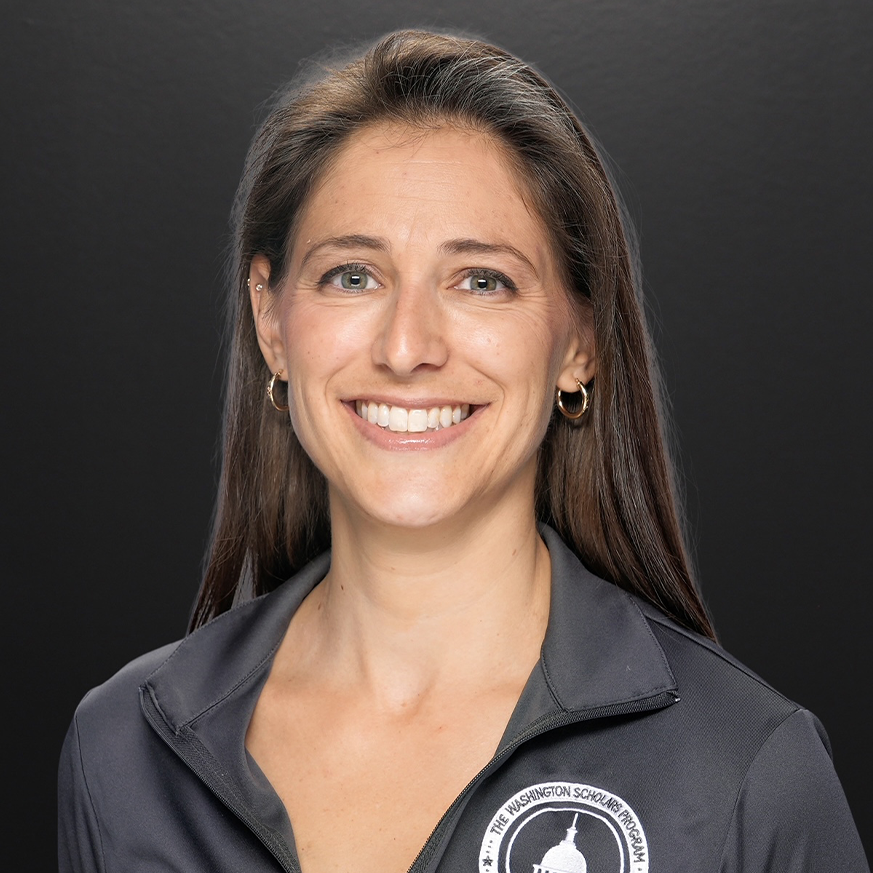
Previously, Bauman served as Chairman of National Geographic’s Cross Platform Committee, and as EVP of National Geographic Television, where he oversaw more than 400 hours of programming, as well as National Geographic’s Digital Studio (which tripled the Society’s YouTube traffic, garnering more than a billion streams).

Before National Geographic, Bauman, who is fluent in Spanish, Russian, Czech and Italian, was based in Eastern Europe and Latin America for ABC News. He has covered war and genocide in Central Africa, Lebanon, Bosnia, Afghanistan and Iraq, for some of the best broadcast and print media outlets in the world.

Mark serves on the Boards of the Charles Darwin Foundation for the Galapagos Archipelago, the Antarctic and Southern Ocean Coalition, the Ocean Exchange, the Marine Fish Conservation Network, and the Washington Youth Summit on the Environment.

MARK BAUMAN

Strategic and Impact Communications Consultant

Mark Bauman has been recognized with numerous broadcast, web and print journalism honors, including an Emmy, more than a dozen Cine Golden Eagles, and various film festival awards. Before taking the helm at Virtual Wonders, he oversaw the Smithsonian Institution’s commercial media units, including Smithsonian and Air & Space Magazines, Smithsonian Books, Smithsonian.com, and the Smithsonian Channel partnership with Showtime.

Previously, Bauman served as Chairman of National Geographic’s Cross Platform Committee, and as EVP of National Geographic Television, where he oversaw more than 400 hours of programming, as well as National Geographic’s Digital Studio (which tripled the Society’s YouTube traffic, garnering more than a billion streams).

Before National Geographic, Bauman, who is fluent in Spanish, Russian, Czech and Italian, was based in Eastern Europe and Latin America for ABC News. He has covered war and genocide in Central Africa, Lebanon, Bosnia, Afghanistan and Iraq, for some of the best broadcast and print media outlets in the world.

Mark serves on the Boards of the Charles Darwin Foundation for the Galapagos Archipelago, the Antarctic and Southern Ocean Coalition, the Ocean Exchange, the Marine Fish Conservation Network, and the Washington Youth Summit on the Environment.

Ali Dodson, MS, MPP

ALI DODSON

Associate Director, Washington Scholars Program

Ali is the Associate Director of the Washington Scholars Program. She has a B.S. in Conservation Biology from George Mason University, and an M.S. in Sustainable Development and Conservation Biology and M.P.P in Environmental Policy from University of Maryland. Her master’s research focused on student perception of environmental issues. Before coming to Mason, Ali worked with the EPA, where she was an ORISE fellow researching coastal wetlands. In her free time, she attempts to grow her own vegetables, hangs out in her big back yard with her family, and sings karaoke as often as possible.

ALI DODSON

Associate Director, Washington Scholars Program

Ali is the Associate Director of the Washington Scholars Program. She has a B.S. in Conservation Biology from George Mason University, and an M.S. in Sustainable Development and Conservation Biology and M.P.P in Environmental Policy from University of Maryland. Her master’s research focused on student perception of environmental issues. Before coming to Mason, Ali worked with the EPA, where she was an ORISE fellow researching coastal wetlands. In her free time, she attempts to grow her own vegetables, hangs out in her big back yard with her family, and sings karaoke as often as possible.