
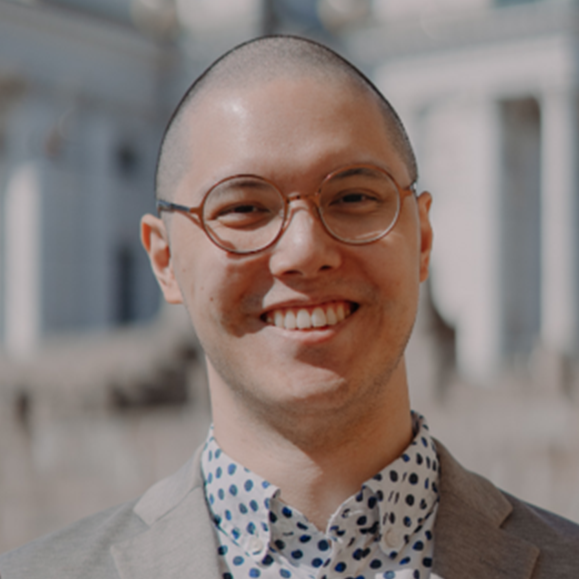
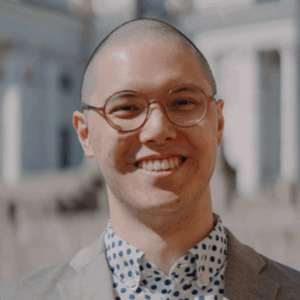
 Ted Chen is an assistant professor at George Mason University studying climate change politics and network methods for social scientific research. His research focuses on the social and political consequences of climate change and efforts to stem these often unequal outcomes. He is particularly interested in the heterogeneity in how individuals adapt to climate change exposure, including through political participation and migration, and the role of activism and science communication in preferences toward climate policies. Ted also has a methodological focus in developing network approaches for studying complexity in political phenomena, with emphasis on multilayer network representations of social and political systems. These approaches encompass the complexities of coupled socioecological systems and improve our ability to address the interdependencies of policy problems associated with climate change.

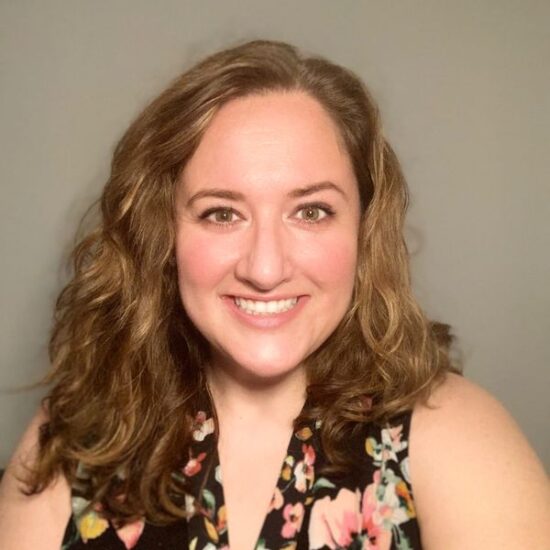
 Dr. Elizabeth (Betsy) Herrelko is the Animal Welfare and Research Manager at the Smithsonian’s National Zoo. She focuses on advancing animal welfare science with an emphasis on animal management and how animals think. Betsy leads the Animal Welfare and Animal Care and Use Committees to ensure compliance with regulations and facilitate best practices for all species at the zoo, is responsible for overseeing research within Animal Care Sciences, and consults across animal care units on applied practices. She joined the Zoo in 2012 as the David Bohnett Cognitive Research Fellow studying cognitive bias (a measure of emotional affect) in apes. Prior to the Smithsonian, Betsy earned her master’s degree from Hunter College (New York) and her PhD from the University of Stirling (Scotland). In addition to traditional dissemination of information methods in academia, Betsy also communicates her science story through natural history documentaries. Her work with primates has been featured on the BBC, Animal Planet, and Discovery Channel.
 A native of Pittsburgh, Colette began her studies in voice and piano at Duquesne University at the age of seven. She continued her studies in operatic performance at Carnegie-Mellon where she wrote the script and scores for her musicals The Protégé and Zelda. She received her BM in Operatic Performance from Duquesne University and later worked as a Legislative Assistant in the House of Representatives.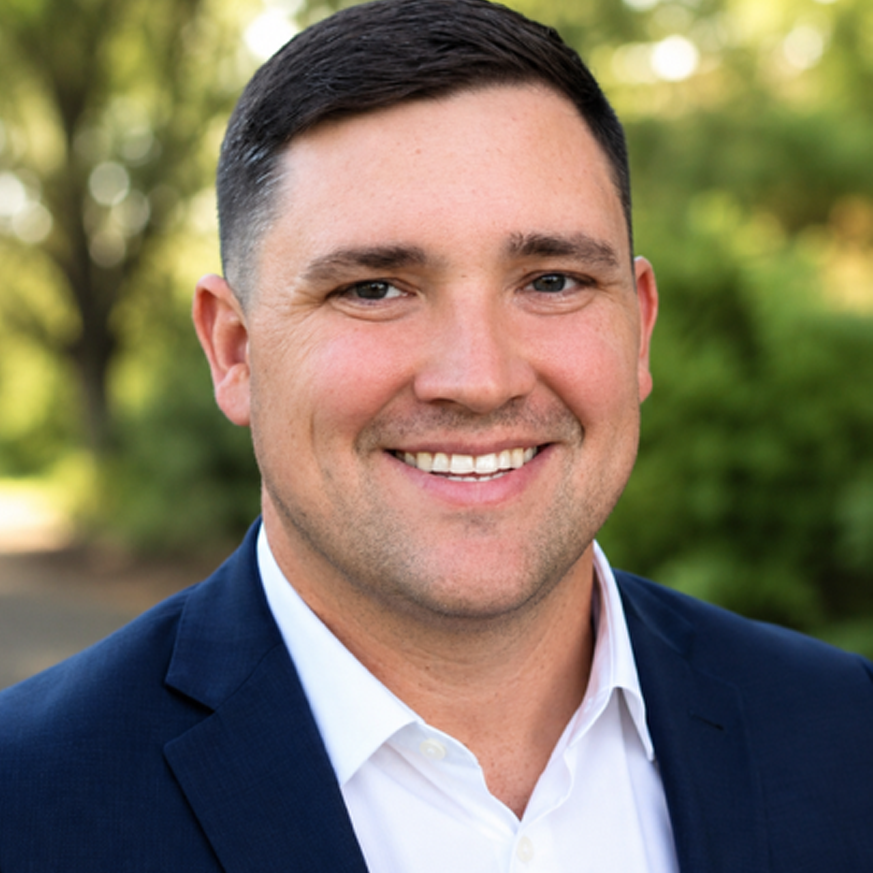
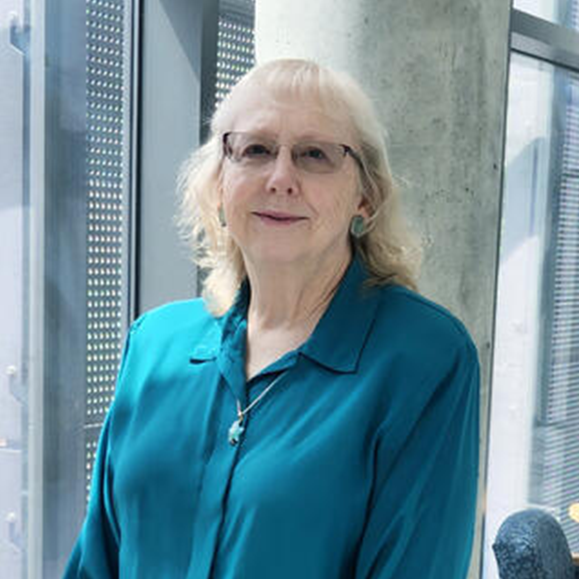

 Dr. Peters’ expertise includes marine biology, coral reef ecology, aquatic toxicology, comparative histopathology, and quality assurance. Following postdoctoral research at the Smithsonian Institution on coral taxonomy and invertebrate diseases, she worked at Tetra Tech, Inc., an environmental consulting company. She teaches courses in histology and histotechniques at the undergraduate and graduate level, and developed a 2-semester course sequence to present basic biology and chemistry to non-biology graduate students in the environmental science and policy program. She has also taught courses on diseases of organisms, and provides training in the histology and histopathology of corals. Dr. Peters collaborates with other professors on understanding the molecular and microbiological aspects of invertebrates and disease processes through the study of cell and tissue alterations as a bridge to understanding population, community, and ecosystem consequences. She works with graduate students on diverse pathobiology research topics and manages the Histology Laboratory, training undergraduate and graduate students in the use of histological tools for their ecological and biomedical research.

 Lydia is an environmental health professional and outdoor enthusiast, who has lived and worked in the Potomac watershed her entire life. Her journey toward environmental justice began as a nursing student, working at free clinics, helping not only with medical needs, but also with housing and food. While her work in healthcare enabled her to see the vast disparities for those living in wealthy counties, her hobby as a whitewater paddler allowed her see the intimate every day changes that climate change brings to our environment, such as flooding, water pollution and increased algal blooms. These two seemingly different lenses have enabled Lydia to directly build from this experience to become an environmental justice advocate. She started Fairfax NAACP’s Environmental and Climate Justice Committee as well as Potomac Riverkeeper Network’s JEDI Committee. In less than 3yr of advocacy, Lydia successfully led campaigns to preserve parkland and significantly increase funding for parks as well as created a program that connected disfavored youth and families to their local environment. In addition to this work, she currently serves as a Gubernatorial Appointee for Virginia’s Council of Environmental Justice and sits on several county boards on climate and health. Lydia is an avid speaker and educator on environmental issues that affect vulnerable communities and how to partner with those communities to advocate for themselves. Ms Lawrence currently serves as Director of Conservation at Nature Forward.

 Meaghan Parker was the executive director of the Society of Environmental Journalists (SEJ) from 2018-2023. Under her leadership, SEJ raised more than $5 million; doubled its Fund for Environmental Journalism; launched new fellowship, training and outreach programs; and committed to integrating equity throughout its activities, which more than doubled the diversity of its membership. Previously, she was the senior writer/editor and partnerships director for the Environmental Change and Security Program and the Global Sustainability and Resilience Program of the Wilson Center, where she worked for 15 years. She was a founder and editor-in-chief of the award-winning New Security Beat, a daily blog covering environment, health and security. She was the supervising producer of the award-winning documentary trilogy, “Healthy People, Healthy Environment,” which was filmed in Tanzania, Nepal and Ethiopia. She was the lead editor of “A New Climate for Peace,” an online platform and independent study commissioned by the foreign ministers of the G7. Before stepping down to join the staff, she served for six years on SEJ’s Board of Directors. She currently serves on the Board of The Uproot Project, the membership association for environmental journalists of color, as well as on the Advisory Council of Planet Forward, a project of George Washington University. She is a member of the Society of Environmental Journalists, JAWS (Journalism and Women Symposium), the National Association of Science Writers and The Uproot Project.

 Stephanie Schmidt, Ph.D., teaches the introductory environmental science lectures and labs at George Mason University. While she has always enjoyed being in an academic setting, she did not initially study environmental science—she even remembers joking with friends about the mere existence of the Fish and Wildlife major at her undergraduate college, Michigan State. Thanks to various classes and experiences, however—including a study abroad in Australia focused on water, agriculture, and sustainability—she decided to major in environmental science, adding on to her initial math and chemistry majors. After graduation, she participated in a one-year AmeriCorps program in Dubuque, IA, as well as a policy stint in Washington, D.C.; these experiences made it painfully clear that she needed science to be an integral part of her day-to-day work. She thus came to George Mason University to pursue her Ph.D., studying wetland ecology under Dr. Changwoo Ahn. Since graduating in 2022, she has remained at GMU as an instructor, where she is grateful for the opportunity to enlighten, and hopefully inspire, hundreds of students in environmental science.


