

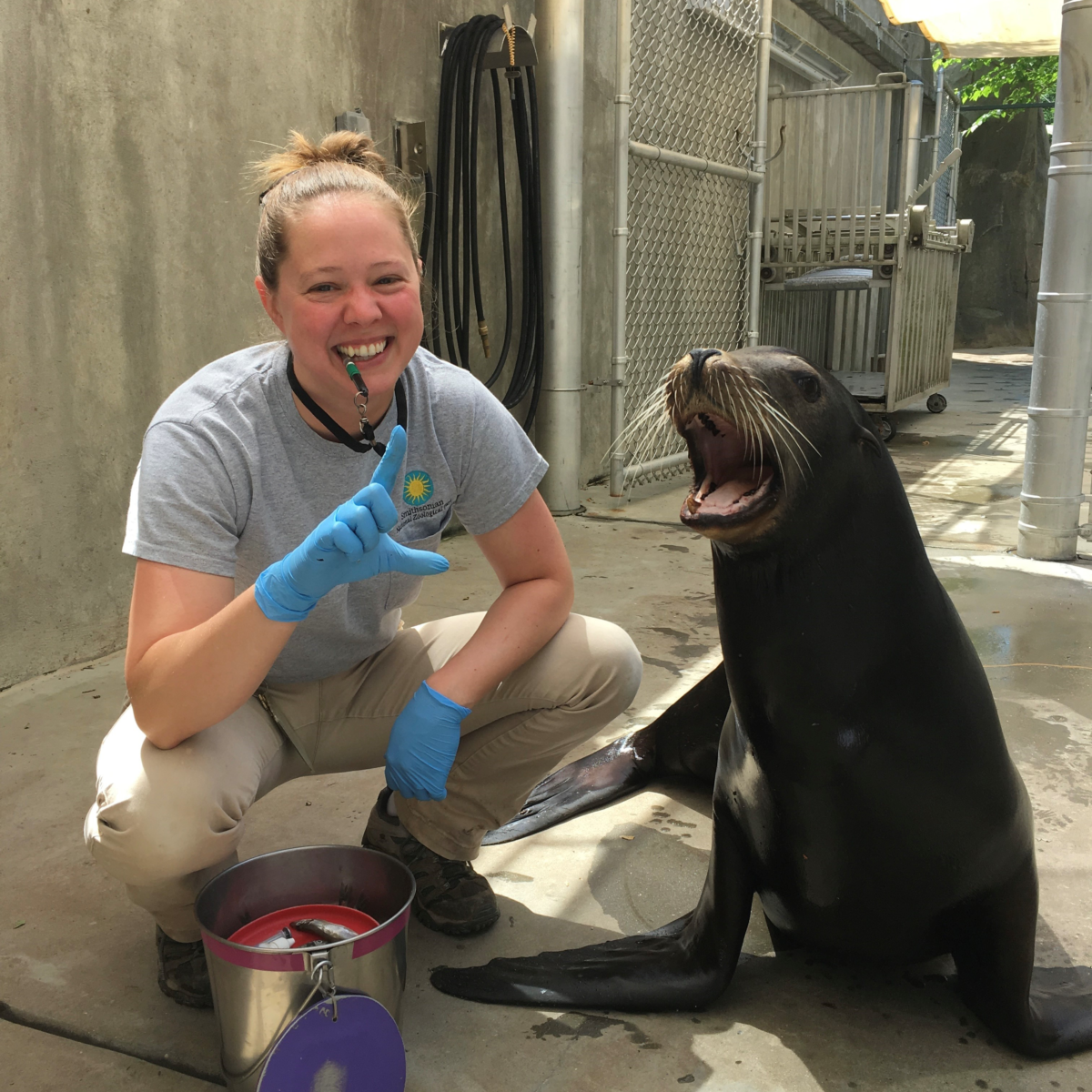
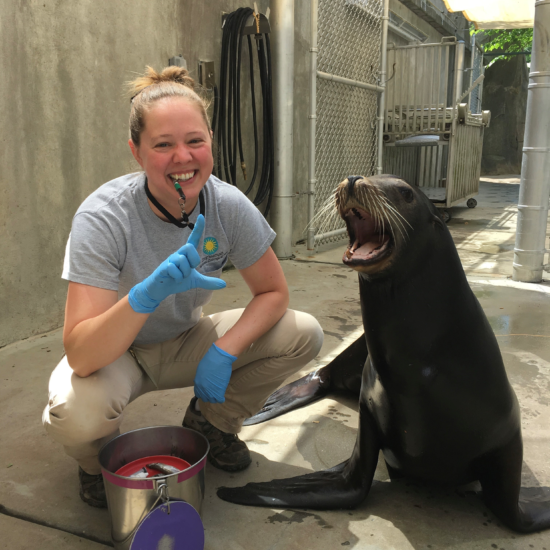
 Jackie Spicer has been an animal care professional for over 12 years, all with the Smithsonian’s National Zoo and Conservation Biology Institute. She began her career volunteering and worked her way up through temporary keeper to her current position as senior keeper on American Trail. She has worked with all types of animals: fish, reptiles, amphibians, birds, primates, carnivores, and marine mammals. She has a bachelors degree in wildlife management and a masters degree in environmental management and policy. She plays an active role in her local chapter of the American Association of Zookeepers, currently working as the chapter president.




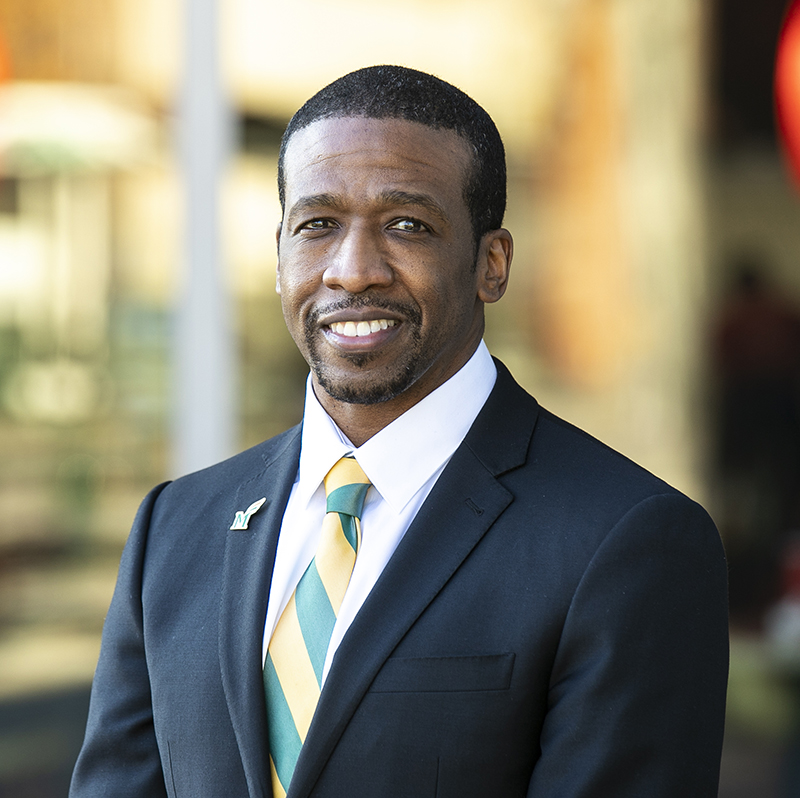
 Dr. Ahn is currently a Professor in Environmental Science and Policy, and an affiliated faculty member in Civil, Environmental & Infrastructure Engineering, Biology, Molecular Ecology and Evolution, Food Studies, and the School of Art. He served as a University Life Faculty Fellow (2013-2018) and became a Faculty Research Fellow appointed by Center for Real Estate Entrepreneurship (School of Business). At Mason, Dr. Ahn teaches Wetland Ecology and Management, Ecosystem Modeling and Analysis, Ecological Sustainability, Ecological Engineering and Ecosystem Restoration, and Urban Ecosystems and Processes. Ecological Sustainability (Mason Core, Capstone) and Urban Ecosystems and Processes are both R&S (Research and Scholarship) intensive courses for undergraduates sponsored by the Students as Scholars program, through the Office of Student Scholarship, Creative Activities, and Research (OSCAR). This program is Mason’s award-winning undergraduate research and creative activities initiative. His most recent new course, EVPP 381: Nature and Culture in Global Wetlands has been designated as Mason Core for Global Understanding, which will be taught starting in the Spring 2022 semester.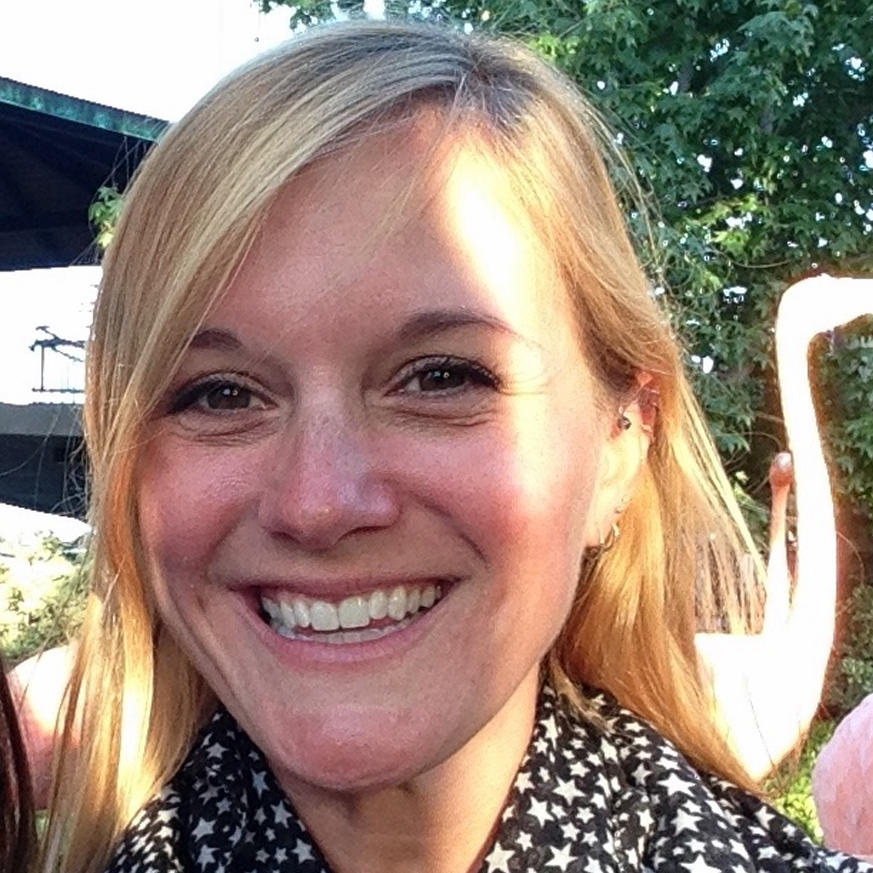

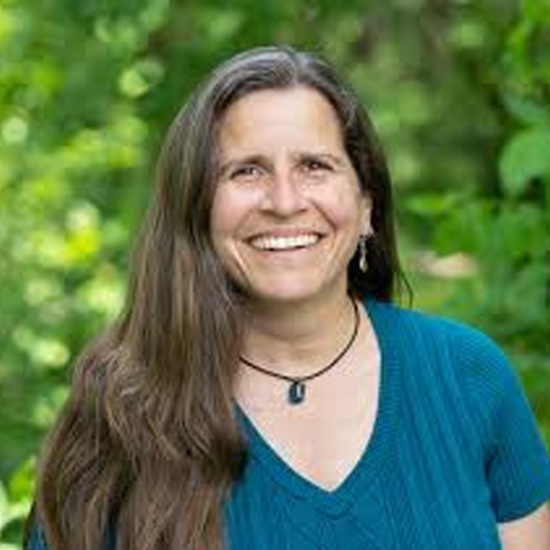


 Stephen Taglieri is a 2017 alumni of the Washington Scholars Program. He is currently the CEO & Founder of Kingdom Multimedia, an agency working with impact-driven organizations to tell their story. As a photographer and cinematographer, Stephen has collaborated with the Smithsonian National Zoo, the Washington Post, The Nature Conservancy, and a host of other change-makers. Most recently, he has been working with Tribal and Indigenous communities across the United States to produce award-winning short films discussing Indigenous stewardship and the intersection between conservation and culture.

 As the Curator of Large Carnivores (and Kids’ Farm) at the Smithsonian’s National Zoo, Craig Saffoe is responsible for the overall care and management of 18 species and more than 50 individual animals. He works with a team of animal keepers to not only care for, but facilitate breeding with most of the Zoo’s large carnivores – which includes one of the most critically endangered species (Sumatran tigers) managed at the National Zoological Park. Craig started his career as an intern in 1994 and worked his way up to Animal Keeper, Biologist and now Curator. In that time, he has been a part of many successful teams including the team that managed, bred and successfully produced the first two cheetah litters ever born at the Smithsonian. Craig now leads a team that has been incredibly successful at breeding large carnivores – boasting multiple successful litters of lions and tigers and yes bears….Oh my!